
Air Quality Audits & Heat Dissipation in Factories and Warehouses
Learn why air quality audits and proper heat dissipation are critical for factories and warehouses in the Philippines, and how industrial ventilation solves these challenges.
1/20/20262 min read
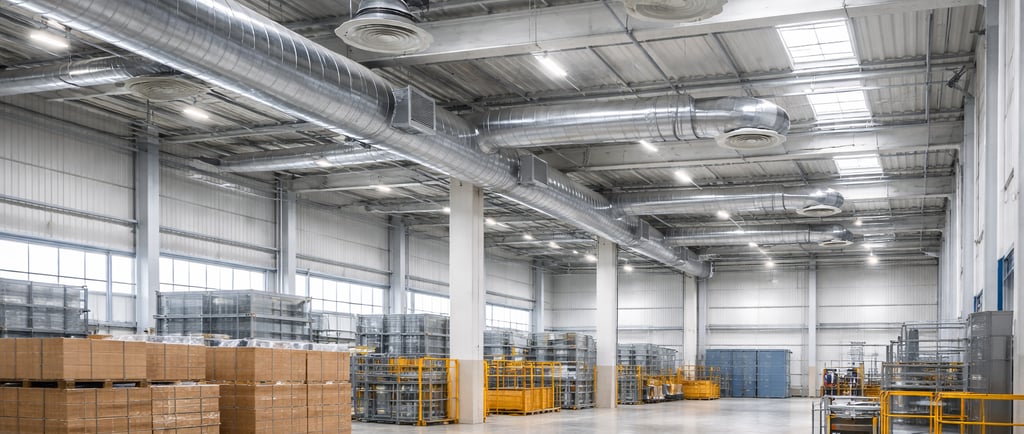
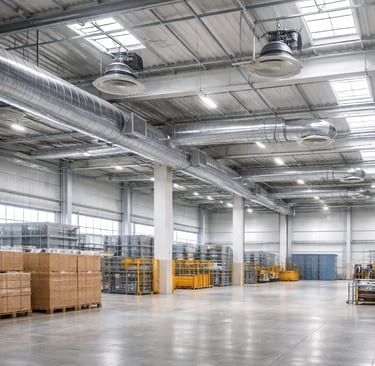
Why Air Quality Audits and Heat Dissipation Matter in Factories and Warehouses
Factories and warehouses operate under demanding conditions—high heat loads, continuous equipment operation, and limited natural airflow. Without proper ventilation, these environments quickly suffer from poor indoor air quality, excessive heat buildup, and increased health and safety risks.
An air quality audit, combined with an effective industrial ventilation strategy, is one of the most important steps in creating safer, more productive industrial facilities in the Philippines.
What Is an Air Quality Audit?
An air quality audit is a professional assessment of how air moves, circulates, and exits an industrial facility. It evaluates whether fresh air supply, exhaust, and heat removal systems are performing as intended.
Key Factors Assessed During an Audit
Airflow distribution and circulation
Temperature and heat accumulation zones
Exhaust efficiency for fumes, dust, or smoke
Fresh air intake and replacement rates
Overall indoor air quality conditions
For factories and warehouses, audits often reveal hidden problem areas that are not immediately visible but significantly affect daily operations.
The Impact of Poor Ventilation in Industrial Facilities
Inadequate ventilation directly affects both people and processes.
Excessive Heat Build-Up
Machinery, lighting, and large enclosed spaces generate heat continuously. Without proper heat dissipation, indoor temperatures rise, increasing discomfort and equipment strain.
Declining Air Quality
Dust, fumes, and airborne contaminants accumulate when exhaust systems are undersized or poorly maintained, affecting worker health and compliance.
Reduced Productivity and Higher Risk
Hot, poorly ventilated environments lead to fatigue, lower productivity, and increased safety risks on the factory floor.
Heat Dissipation Challenges in Factories and Warehouses
Unlike offices, industrial spaces require high-capacity ventilation systems designed for volume and durability.
Large Open Spaces
Warehouses and production halls trap heat near ceilings, requiring proper exhaust and air movement planning.
Continuous Equipment Operation
Heat generated by machines must be removed efficiently to prevent overheating and operational downtime.
Limited Natural Ventilation
Many industrial buildings rely almost entirely on mechanical ventilation due to size, layout, or operational constraints.
How Industrial Ventilation Solves These Problems
A well-designed industrial ventilation system addresses both air quality and heat dissipation.
Exhaust Ventilation Systems
These systems remove hot air, fumes, and airborne contaminants from critical areas.
Fresh Air and Make-Up Air Systems
Replacing exhausted air with filtered fresh air helps stabilize temperature and improve indoor air quality.
Mechanical and Forced Ventilation
High-capacity fans and ducted systems ensure consistent airflow even in large, enclosed facilities.
👉 Learn more about our Industrial Ventilation Systems in the Philippines
https://ventilationph.com/industrial-ventilation-philippines
Why Regular Air Quality Audits Are Essential
Industrial conditions change over time. New equipment, layout modifications, or increased production can overload existing ventilation systems.
Early Detection of Ventilation Issues
Audits identify airflow inefficiencies before they lead to major problems.
Improved Compliance and Safety
Proper ventilation supports workplace safety standards and healthier working environments.
Better Energy Efficiency
Optimized airflow reduces unnecessary energy use while maintaining effective heat control.
When Should You Conduct an Air Quality Audit?
Factories and warehouses should consider an audit if:
Indoor areas feel consistently hot or stuffy
Odors, dust, or fumes linger
Equipment experiences frequent overheating
Production levels have increased
Ventilation systems have not been reviewed recently
Supporting Long-Term Performance with Preventive Maintenance
Even the best ventilation system requires regular inspection and servicing. Preventive maintenance ensures airflow paths remain clear, fans operate efficiently, and heat dissipation remains effective.
👉 Explore our Ventilation Preventive Maintenance Services
https://ventilationph.com/ventilation-maintenance-philippines
Improving Industrial Environments Starts with the Right Ventilation
Air quality audits and proper heat dissipation are not optional—they are essential for safe, efficient factory and warehouse operations. Investing in professional assessment and industrial ventilation solutions leads to healthier workers, protected equipment, and more reliable operations.
Planning an air quality audit or ventilation upgrade?
Contact VentilationPH to assess your factory or warehouse and design a ventilation solution built for industrial performance.
Contact us:
Landline: (02) 7002 - 1172
Viber: (0961) 539-3840
Viber: (0977) 142-0492
E-mail: sales@ventilationph.com
Expertise
Providing reliable ventilation solutions for your needs.
CONTACT US:
Testimonials
E-mail: sales@ventilationph.com
(02) 7002 - 1172
(0961) 539-3840
(0977) 142-0492
© 2024. All rights reserved.
QC: Megastate Building, 737 G. Araneta Ave, Quezon City
Makati: 156 H.V. Dela Costa Street, Makati City
Davao: J.P. Laurel Ave, Bajada, Davao City
*** Photocredits: JG; FSantos, Unsplash